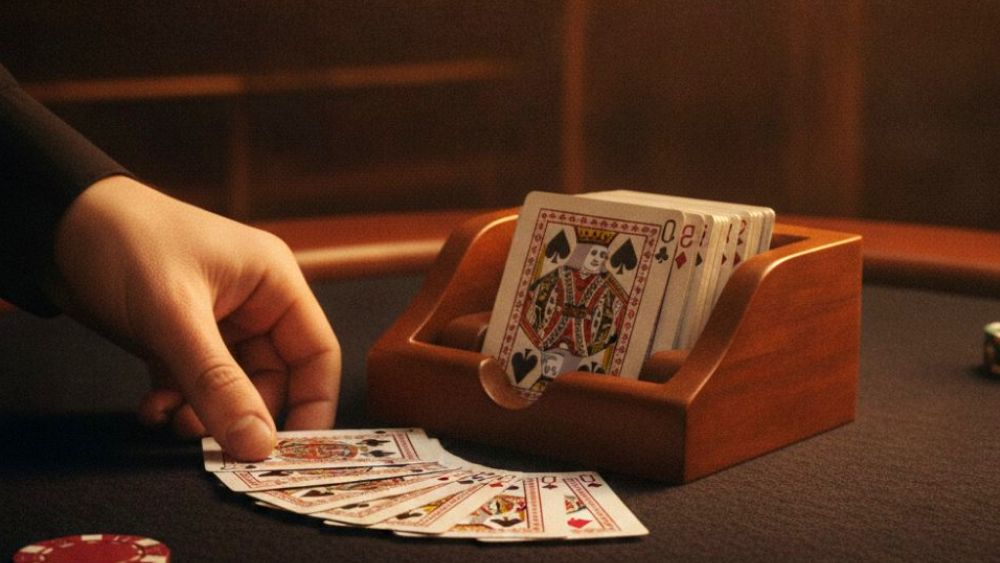
Myth 1: 'I'm Due for a Win' — The Gambler's Fallacy
You’ve seen it on a hot table in Solaire or a noisy slot floor in Resorts World: a player convinced that a machine is “about to pay out” because it’s been cold for an hour. That’s the gambler’s fallacy, and it’s probably the most expensive myth in any Philippine casino.
Fact: Each spin, hand, or draw is independent. A slot machine’s random number generator (RNG) doesn’t know or care how long you’ve been playing. The odds don’t improve because you’ve lost five hands in a row. On games like baccarat or roulette, the house edge stays the same whether it’s the first bet or the hundredth. The only thing that changes is your bankroll — and not in your favor if you keep chasing.
“The table has no memory. Your wallet does.”
What you can control is your budget and your time. Set a loss limit before you sit down, and when you hit it, walk. That’s not defeat; it’s discipline.
Myth 2: 'Responsible Gambling Means Never Gambling'
Some people hear “responsible gambling” and think it means you should quit entirely. That’s not realistic for every Filipino who enjoys a night at the casino or a small PCSO bet. The goal isn’t abstinence for everyone — it’s control.
Fact: Responsible gambling is about keeping gambling a form of entertainment, not a source of income or a way to solve financial problems. It means you gamble only with money you can afford to lose, you set time limits, and you never chase losses. For most adults, having a flutter on the slots or a sports bet is fine as long as it doesn’t harm your life.
That said, if you find yourself lying about your gambling, borrowing money to bet, or feeling anxious when you’re not playing, those are red flags. Responsible gambling isn’t a one-size-fits-all rule; it’s a personal commitment to stay in control.
Myth 3: 'Skill Can Beat the House Edge'
Every casino game has a built-in house edge. In baccarat, it’s about 1.06% on the banker bet. In roulette, it’s 5.26% on a double-zero wheel. In slots, it can be anywhere from 2% to 15% depending on the machine. No amount of “skill” changes that math.
Fact: Yes, some games involve decisions — blackjack strategy, poker, sports betting — but the house still has an edge over time. You might win in a session, and that’s great. But the longer you play, the more likely the house edge will grind you down. This is why responsible gambling includes knowing when to stop, even when you’re winning.
Consider this: if you play 100 hands of blackjack with perfect basic strategy, the house still wins about 0.5% of your total wagers. That’s not a flaw; it’s the business model. Your job is to treat it as the cost of entertainment, not as a challenge to outsmart.
Myth 4: 'A Big Win Will Fix My Money Problems'
This is the myth that ruins lives. The idea that a jackpot will clear your debts, pay your rent, or solve your family’s financial issues is dangerous. It turns gambling into a desperate gamble, not a game.
Fact: The odds of hitting a life-changing jackpot are astronomically low. Even if you do win, research shows that many big winners end up worse off within a few years because they didn’t have a plan for the money — or because they kept playing and lost it all back.
Gambling should never be your emergency fund. If you’re in financial trouble, talk to a financial counselor or a trusted person, not a slot machine. In the Philippines, there are nonprofit organizations and government agencies that can help with debt and budgeting. That’s a far better bet than a long shot.
Myth 5: 'I Can Stop Anytime'
Most people believe they can quit whenever they want. And many can. But for some, gambling becomes compulsive — a mental health condition that hijacks the brain’s reward system. It’s not a matter of willpower.
Fact: Problem gambling is recognized by the World Health Organization and the American Psychiatric Association. Warning signs include:
- Betting more than you intended
- Chasing losses
- Lying to family about your gambling
- Borrowing money or selling possessions to gamble
- Feeling restless or irritable when trying to cut back
If you recognize these signs in yourself, it’s time to get help. The Philippine Amusement and Gaming Corporation (PAGCOR) has a responsible gambling program, and there are helplines and counseling services available. You don’t have to hit rock bottom before reaching out.
Myth 6: 'Only Men Have Gambling Problems'
Walk into any casino in Metro Manila and you’ll see plenty of women at the slots, the baccarat tables, and the sportsbook. But the stereotype persists that problem gambling is a male issue.
Fact: Women gamble and develop gambling problems too. In fact, some studies suggest women may progress from recreational gambling to problem gambling faster than men — a phenomenon called “telescoping.” Cultural factors in the Philippines, like the stigma around women and gambling, can make it harder for women to seek help.
Responsible gambling resources are for everyone. Whether you’re a student betting on e-sports, a mom playing online slots, or a retiree at the casino, the same rules apply: set limits, stick to them, and ask for help if you need it.
Myth 7: 'I Can't Afford to Set Limits'
Some bettors think that setting a budget is for high rollers — that if you’re only playing with small amounts, you don’t need rules. That’s backwards.
Fact: The smaller your bankroll, the more important limits become. A budget isn’t about how much you have; it’s about protecting what you can’t afford to lose. Here’s a simple approach that works for any income level:
- Decide on a monthly entertainment budget. Include gambling alongside movies, dining out, and other leisure.
- Divide it into sessions. If you have ₱5,000 for the month, maybe that’s two ₱2,500 sessions. Never dip into next month’s budget.
- Set a time limit. Decide beforehand how long you’ll play. Use your phone’s timer if needed.
- Never chase losses. If you lose your session budget, stop. The casino will still be there next month.
- Keep a simple log. Track wins and losses. It’s sobering to see the real numbers.
These rules don’t kill the fun. They make sure the fun doesn’t kill your finances.
Where to Get Help in the Philippines
If gambling stops being fun, help is available. PAGCOR’s responsible gambling program offers information and support. You can also contact the National Center for Mental Health (NCMH) crisis hotline at 0917-899-8727 or 989-8727. These services are confidential and free.
Remember: asking for help is a sign of strength, not weakness. The myths we’ve busted today are common, but they don’t have to define your experience. Play smart, stay in control, and treat gambling as what it is — entertainment, not a lifeline.